
The Growing Demand for Digital Tools in U.S. Construction
In recent years, the U.S. construction industry has faced mounting pressure to improve productivity, control costs, and deliver projects on tighter timelines. This has fueled a surge in demand for advanced construction software capable of addressing these challenges. From cloud-based project management platforms to 3D modeling and scheduling tools, construction firms are investing heavily in digital technologies to streamline their operations. The shift is particularly evident in commercial and infrastructure projects, where precision, coordination, and compliance are critical to project success. Leading firms recognize that relying on outdated methods can result in costly delays, miscommunication, and operational inefficiencies that modern software can easily eliminate.
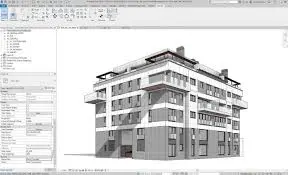
Essential Functions of Modern Construction Software
Construction software has evolved far beyond simple scheduling and budgeting tools. Today’s platforms incorporate a suite of sophisticated functions designed to support every stage of the construction lifecycle. Features such as digital plan viewing, automated change order management, real-time reporting, and cloud-based collaboration are now standard. Additionally, advanced data analytics tools enable firms to monitor progress, track labor productivity, and optimize equipment usage. The integration of these features provides project managers and contractors with comprehensive control over projects, reducing errors and improving decision-making. With mobile access, field workers can instantly report updates and access project data from anywhere, ensuring seamless communication between on-site and office teams.
Project Risk Management and Mitigation
Construction projects in the United States often encounter risks related to labor shortages, supply chain disruptions, and regulatory compliance. Construction software plays a vital role in mitigating these risks by offering proactive management tools. Automated alerts for schedule delays, cost overruns, or safety concerns allow project leaders to address issues before they escalate. Predictive analytics powered by AI can also help identify potential risks based on historical data and project trends. By incorporating these risk management features, software platforms enable companies to protect project timelines and budgets while ensuring worker safety and regulatory adherence.
Improving Collaboration Between Field and Office Teams
Effective communication between field crews and office management has historically been a pain point in the construction industry. Construction software bridges this gap by providing centralized, cloud-based platforms where team members can share updates, submit reports, and access project files in real time. This instant accessibility ensures that project decisions are based on the most current data and reduces the likelihood of costly errors caused by outdated information. Enhanced collaboration tools support document version control, RFIs, submittals, and inspections, enabling project teams to work more efficiently and maintain consistent documentation throughout the project lifecycle.
Enhancing Data-Driven Decision-Making
Data has become one of the most valuable assets in construction management. Modern construction software enables companies to harness large volumes of data collected from multiple sources, including job sites, suppliers, and equipment sensors. By analyzing this data, project managers can uncover patterns, forecast potential challenges, and make informed decisions. Tools such as dashboards and customizable reporting provide real-time visibility into project performance metrics like budget utilization, labor productivity, and equipment efficiency. This data-driven approach leads to better resource allocation, improved project outcomes, and enhanced profitability for construction firms.
Construction Software’s Role in Sustainable Building Practices
As sustainability becomes a top priority for American developers and contractors, construction software is playing a pivotal role in supporting green building initiatives. Energy modeling, waste tracking, and environmental impact reporting features help companies design and execute projects that meet industry sustainability standards. Construction management platforms also aid in reducing material waste by providing accurate quantity takeoffs and minimizing errors in procurement. Furthermore, digital documentation eliminates the need for excessive paper use, contributing to environmentally friendly business practices. These benefits not only enhance a company’s reputation but also position them to meet increasing demand for eco-conscious construction projects.
Looking Ahead: The Next Frontier in Construction Software
The construction software market in the U.S. is rapidly advancing, with emerging technologies such as AI, machine learning, and augmented reality set to reshape industry practices. AI-powered scheduling tools can optimize project timelines, while machine learning algorithms can identify performance trends and recommend improvements. Augmented reality applications offer immersive visualization experiences, allowing stakeholders to virtually tour construction sites and identify potential issues before they occur. As these innovations become more accessible, American construction firms that embrace them will be better positioned to stay competitive and deliver superior project outcomes.