
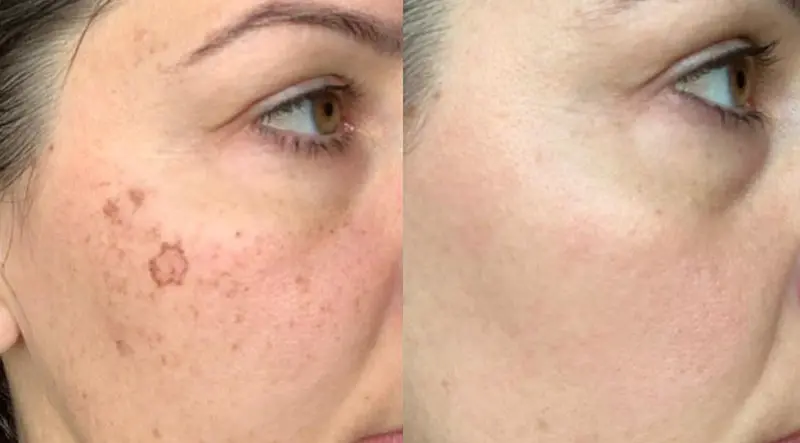
The Science Behind Wrinkles
The Aging Process and Skin Changes
As we age, several biological changes occur in the skin that contribute to the formation of wrinkles. The production of collagen and elastin, two proteins that are essential for maintaining the skin's structure and elasticity, decreases over time. Collagen provides the skin with strength and support, while elastin allows the skin to stretch and return to its original shape. With less collagen and elastin, the skin becomes thinner, drier, and more prone to wrinkling.
Another factor is the loss of hyaluronic acid, a substance that helps the skin retain moisture. As hyaluronic acid levels decline, the skin loses its plumpness and smoothness, resulting in the appearance of fine lines and wrinkles.
Environmental Factors
In addition to the natural aging process, environmental factors can also accelerate the formation of wrinkles. Sun exposure is one of the most significant environmental factors. Ultraviolet (UV) rays from the sun damage the skin's DNA, break down collagen and elastin fibers, and cause the skin to produce more melanin, leading to age spots and uneven skin tone.
Smoking is another major contributor to premature wrinkling. The chemicals in cigarettes constrict blood vessels in the skin, reducing blood flow and oxygen supply. This impairs the skin's ability to repair itself and can lead to the formation of deep wrinkles, especially around the mouth and eyes.
Pollution, stress, and a poor diet can also have a negative impact on the skin's health and contribute to the development of wrinkles.
How Laser Therapy Works for Wrinkles
Types of Lasers Used
There are several types of lasers used in the treatment of wrinkles, each with its own unique mechanism and target.
- Ablative Lasers: Ablative lasers work by removing the outer layer of the skin (the epidermis) and heating the underlying dermis. This stimulates the production of new collagen and elastin, which helps to fill in wrinkles and improve the skin's texture. Carbon dioxide (CO₂) lasers and erbium lasers are examples of ablative lasers. CO₂ lasers are more powerful and can treat deeper wrinkles, but they also have a longer recovery time. Erbium lasers are less invasive and have a shorter recovery period.
- Non - Ablative Lasers: Non - ablative lasers do not remove the outer layer of the skin. Instead, they penetrate the skin to heat the dermis, stimulating collagen production without damaging the epidermis. This results in less downtime and fewer side effects compared to ablative lasers. Nd:YAG lasers and diode lasers are commonly used non - ablative lasers. They are suitable for treating mild to moderate wrinkles and are often used for patients with sensitive skin.
- Fractional Lasers: Fractional lasers are a type of non - ablative or ablative laser that delivers laser energy in a fractional pattern. This means that only a fraction of the skin is treated at a time, leaving surrounding areas untouched. Fractional lasers can be used to treat a variety of skin concerns, including wrinkles, acne scars, and pigmentation issues. They offer a good balance between effectiveness and recovery time.
The Collagen Stimulation Process
Regardless of the type of laser used, the key mechanism behind laser therapy for wrinkles is collagen stimulation. When the laser energy is applied to the skin, it creates controlled damage to the dermis. This triggers the body's natural healing response, which includes the production of new collagen and elastin fibers. Over time, the new collagen and elastin help to fill in the wrinkles, making them less noticeable.
Benefits of Laser Therapy for Wrinkles
Reduction in Wrinkles
One of the primary benefits of laser therapy is the significant reduction in the appearance of wrinkles. Clinical studies have shown that both ablative and non - ablative lasers can effectively reduce the depth and length of wrinkles. For example, a study published in the Journal of Dermatological Surgery found that after a series of CO₂ laser treatments, patients experienced an average reduction of 30 - 50% in the depth of their wrinkles.
Improvement in Skin Texture
Laser therapy can also improve the overall texture of the skin. By stimulating collagen production, lasers can smooth out rough skin, reduce the appearance of acne scars, and minimize the pores. This results in a more even and youthful - looking complexion.
Long - lasting Results
The results of laser therapy for wrinkles can be long - lasting. As the new collagen and elastin continue to build up in the skin, the improvement in wrinkles and skin texture can be maintained for several months to years. However, the longevity of the results depends on various factors, such as the type of laser used, the severity of the wrinkles, and the patient's lifestyle.
Non - Invasive or Minimally Invasive
Compared to surgical procedures such as facelifts, laser therapy is a non - invasive or minimally invasive option. Non - ablative lasers typically require little to no downtime, allowing patients to resume their normal activities immediately after treatment. Ablative lasers may require a few days to a week of recovery, but the results can be more dramatic.
Data and Statistics on Laser Therapy for Wrinkles
Success Rates
The success rates of laser therapy for wrinkles are generally high. According to a survey of dermatologists, the success rate of laser treatments in reducing the appearance of wrinkles is approximately 80 - 90%. The success rate may vary depending on the type of laser used, the severity of the wrinkles, and the patient's individual response to treatment.
Patient Satisfaction
Patient satisfaction with laser therapy for wrinkles is also high. A study conducted on patients who underwent laser treatments found that over 90% of patients were satisfied with the results and would recommend the treatment to others. The ability to achieve noticeable results with minimal downtime is one of the main factors contributing to patient satisfaction.
Market Growth
The market for laser therapy in the aesthetic industry has been growing steadily in recent years. The global market for aesthetic lasers is expected to reach billions of dollars in the coming years, indicating the increasing popularity of laser - based treatments for wrinkles and other skin concerns.
Potential Risks and Side Effects
Redness and Swelling
Redness and swelling are common side effects of laser therapy, especially after ablative laser treatments. The severity and duration of redness and swelling depend on the type of laser used and the intensity of the treatment. In most cases, redness and swelling subside within a few hours to a few days. However, in some cases, it may take up to a week or more for the skin to fully recover.
Hyperpigmentation and Hypopigmentation
There is a risk of hyperpigmentation (darkening of the skin) or hypopigmentation (lightening of the skin) after laser therapy, particularly in patients with darker skin tones. This risk can be minimized by proper patient selection, pre - treatment skin preparation, and post - treatment care. For example, patients with darker skin may need to use skin - lightening products before and after treatment to reduce the risk of pigmentation changes.
Scarring
Although the risk of scarring is relatively low with modern laser technologies, it can still occur, especially if the laser is used incorrectly or if the patient has a history of keloid scarring. To minimize the risk of scarring, it is important to choose a qualified and experienced practitioner and to follow all post - treatment instructions carefully.
Infection
There is a small risk of infection after laser therapy, particularly if the skin is not properly cared for after the procedure. Patients should follow their practitioner's instructions regarding wound care and hygiene, such as keeping the treated area clean and avoiding touching it with dirty hands.
Common Questions about Laser Therapy for Wrinkles
How many treatments are needed?
The number of treatments required depends on several factors, including the type of laser used, the severity of the wrinkles, and the patient's individual response to treatment. In general, multiple treatments are needed to achieve optimal results. For non - ablative lasers, 3 - 6 treatments may be recommended, spaced several weeks apart. Ablative lasers may require 1 - 3 treatments, with a longer recovery period between sessions.
Is laser therapy painful?
The level of pain experienced during laser therapy varies depending on the type of laser and the individual's pain tolerance. Most patients report feeling a mild to moderate discomfort, similar to a rubber band snapping against the skin. Topical anesthetics can be applied before the treatment to minimize pain. In some cases, patients may also be given oral pain medication or nitrous oxide (laughing gas) to help with pain management.
How long do the results last?
The results of laser therapy for wrinkles can last for several months to years. To maintain the results, patients may need to undergo periodic touch - up treatments and follow a good skincare routine. This includes using sunscreen daily, avoiding smoking, and maintaining a healthy diet.
Can I have laser therapy if I have sensitive skin?
Patients with sensitive skin can still have laser therapy, but it is important to choose a laser that is suitable for their skin type and to have a patch test done before the full treatment. The practitioner may also adjust the treatment parameters to minimize the risk of irritation. Non - ablative lasers are often a better option for patients with sensitive skin.
Are there any age restrictions for laser therapy?
There are generally no strict age restrictions for laser therapy. However, the suitability of the treatment depends on the individual's skin condition and overall health. Laser therapy can be effective for both younger patients who want to prevent the formation of wrinkles and older patients who have more severe wrinkles.
Tips for Choosing a Laser Therapy Provider
Look for a Qualified Practitioner
It is essential to choose a qualified and experienced practitioner who is trained in performing laser therapy for wrinkles. Look for practitioners who are board - certified dermatologists or plastic surgeons with extensive experience in laser treatments. You can check their credentials and ask for patient testimonials or before - and - after photos.
Research the Laser Technology
Before undergoing laser therapy, research the specific laser technology being used. Understand how it works, its benefits, and potential risks. Different lasers have different capabilities and are suitable for different types of wrinkles. Make sure the laser used by the provider is appropriate for your skin type and the severity of your wrinkles.
Consider the Clinic's Reputation
Choose a clinic with a good reputation for providing high - quality laser therapy. Read online reviews and ask for recommendations from friends, family, or other healthcare professionals. A reputable clinic will have a clean and professional environment and will provide comprehensive pre - and post - treatment care.
Discuss the Treatment Plan
Have a detailed discussion with the practitioner about your treatment plan. They should assess your skin condition, explain the expected results, and discuss the number of treatments required. They should also address any concerns or questions you may have about the treatment.
Check the Cost and Financing Options
Laser therapy for wrinkles can be expensive, so it is important to check the cost and explore financing options if needed. Some clinics offer payment plans or accept insurance for certain medical - related skin conditions. Make sure you understand the total cost of the treatment, including any follow - up appointments or additional products that may be recommended.
Conclusion
Laser therapy is a powerful and effective treatment option for reducing the appearance of wrinkles. By stimulating collagen production, lasers can improve the skin's texture and reduce the depth and length of wrinkles. However, like any medical procedure, laser therapy comes with potential risks and side effects. It is important to make an informed decision by consulting with a qualified practitioner, researching the laser technology, and following all pre - and post - treatment instructions carefully. With the right approach, laser therapy can help you achieve a more youthful and wrinkle - free complexion.
References
- Journal of Dermatological Surgery
- Multiple clinical studies and surveys on laser therapy for wrinkles
- Industry reports on the aesthetic laser market
Final Thoughts
In the battle against wrinkles, laser therapy offers a promising solution. Whether you are just starting to notice the early signs of aging or are looking to reduce the appearance of more established wrinkles, laser therapy can be a valuable tool in your skincare arsenal. Remember to approach the treatment with realistic expectations and to take good care of your skin before and after the procedure. With proper treatment and maintenance, you can enjoy the benefits of smoother, younger - looking skin for years to come.